489 Years
This output is interpretive artwork criticism only and not clinical diagnosis or therapy advice.
01 / About this report
FILE: ABOUT.TXT · READThis report is an interpretive and critical reading for Computational Media Artworks (CMAs). It uses the Subject-Structure-Discourse (SSD) framework, adapted from Lacanian psychoanalytic concepts, as an additional lens for understanding how an artwork operates. It is not a quality rating or value judgment of the work.
SSD approaches the artwork as an active subject that organizes concept, medium, discourse, and social bond in public form. The goal is to help artists, curators, and viewers access a psychoanalytic reading that clarifies what the work is doing. This model currently applies to CMA works and does not cover every category of art.
02 / Artwork Overview
FILE: ARTWORK_OVERVIEW.TXT · READSplit Subject
Neurotic-leaning artwork
The discourse of Artwork
03 / Subject Layer
FILE: SUBJECT.TXT · READThe Split Artwork ($)
Read the artwork as split in two layers: what it clearly shows and what it implies. Pay attention to the gap between these layers, where tension and contradiction often emerge.
Explicit Statement
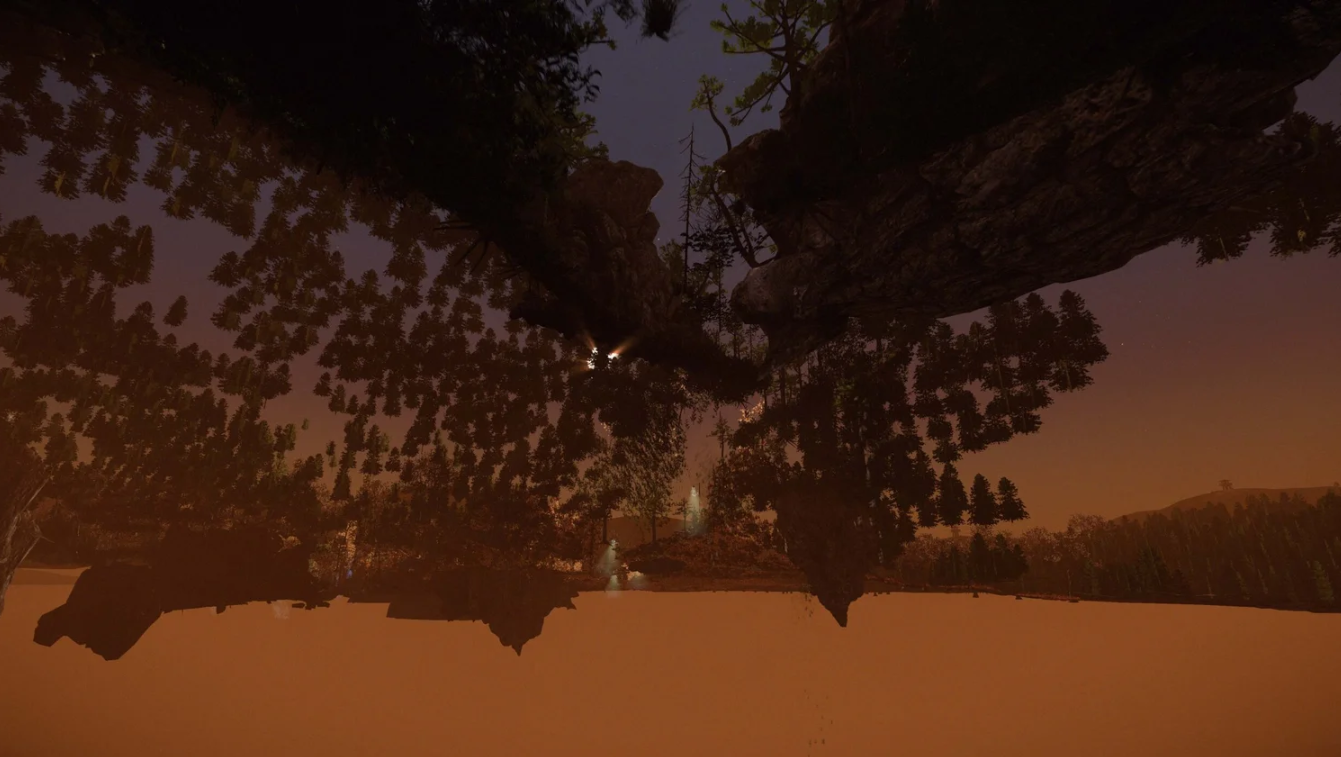
The artwork presents an animated reconstruction of the Demilitarized Zone (DMZ) between North and South Korea, depicting the landscape through the narrated memories of a former soldier. Animation is used as the key medium to visualize a space inaccessible to the general public, offering viewers an indirect encounter with a forbidden and dangerous place.
Evidence: DescriptionHayoun Kwon uses animation as a medium to reconstruct the space that plays on the fiction and the fantasy of a forbidden territory, providing an indirect experience for the viewer.
Implicit Enunciating
Beneath its surface, the work interrogates how collective and individual memory interact with geopolitical divisions, blurring boundaries between reality and constructed narrative. It reveals the DMZ as a paradoxical site of both danger and beauty.
- Explores the interdependence of fiction and reality in recounting historical trauma.
- Reveals the border as a contested space shaped by memory and political myth.
- Confronts the enduring psychological and emotional effects of militarized division.
Subject of Desire
Read the work through the Need-Demand-Desire chain: what motivates the work, what artistic means it asks for, and what unresolved remainder continues to drive it.
The Need
The work’s essential motivation is to reveal hidden or inaccessible lived experiences of the DMZ, making their complexities visible and tangible to distant audiences.
- Makes the forbidden and dangerous zone perceptible beyond authorized access.
- Challenges accepted accounts by foregrounding personal testimony and memory.
- Addresses themes of erasure, memory, and the impact of division.
The Demand
The project uses animation to methodically reconstruct the DMZ, combining documentary narration with virtual depiction to bridge inaccessibility and produce an emotionally immersive environment.
- Animation enables visualization of an otherwise inaccessible territory.
- Blends storytelling with imaginative landscape design for indirect experience.
- Employs VR and digital tools to heighten viewer immersion.
The Desire
At the core remains an unsolvable tension: the impossibility of fully bridging the experiential gap between lived memory and reconstructed virtual space, and the inherent contradiction of seeking truth through mediated fiction.
- Can virtual representation truly capture the depth of experience?
- The border's realities remain fundamentally ambiguous and elusive.
- Aesthetic mediation leaves the core trauma partially inaccessible.
The Object-a
A recurring, enigmatic motif of landmines and flowers permeates the DMZ landscape, embodying both beauty and threat and drawing the viewer’s attention to the paradox at the heart of the border.
- Flowers bloom over hidden dangers, uniting opposites in one image.
- The viewer is repeatedly confronted by the co-presence of life and lethal risk.
- Landmines and flowers symbolize the unresolved tension of the DMZ.
The Drive
The work’s sustained loop takes the viewer on repeated, immersive journeys through the DMZ, guided by a former soldier’s perspective and continually oscillating between wonder and anxiety.
- Narration structures viewers’ recurring passage through the simulated landscape.
- Emotional shifts maintain the work's rhythm and viewer engagement.
- Each traversal restages the paradox of the zone, sustaining experience.
The Jouissance
Read jouissance as the work's satisfaction effect: how it fulfills or exceeds expectations for artist and audience, beyond simple enjoyment.
Explicit enjoyment
The polished animation and immersive visuals deliver a technically proficient and visually captivating experience. The careful simulation of the landscape, with nuanced light and atmospheric rendering, exemplifies high production value.
The VR approach allows audiences to virtually enter the otherwise forbidden DMZ, reinforcing the sensation of exploration and immediacy through digital craft.
- Seamless animation brings the imagined landscape to life.
- Technical choices create a persuasive illusion of presence.
- VR medium enhances accessible immersion.
Implicit enjoyment
Intellectual satisfaction stems from the artwork’s reflection on the construction of historical memory and the limits of mediation. It thoughtfully engages with questions about reality, distance, and the power of narrative fiction.
Emotionally, the tension between beauty and danger provokes wonder and discomfort, leaving viewers reflecting on boundaries—both physical and epistemic.
- Cleverly uses fiction to question historical truth.
- Sustains conceptual tension and complexity.
- Moves the viewer through emotional and intellectual engagement.
04 / Structure Layer
FILE: STRUCTURE.TXT · READThe formalization
Read formalization as the process that turns an intangible impulse into a shareable CMA artifact through recognizable artistic grammar: legible media carriers, interaction mechanisms, and technical protocols.
The Censorship
Read censorship as the filtering process that makes a work publicly readable through three forces: separation from the artist, platform or institutional framing, and wider public feedback.
Author separation
Hayoun Kwon’s work is fundamentally shaped by her long-term investigation into identity, borders, and the ambiguous relationship between personal memory, historical events, and mediated representation. 489 Years continues her trajectory of utilizing digital techniques and narrative testimony to probe inaccessible or volatile sites, asking viewers to engage with the fictionality and constructedness of memory and place. Her practice consistently examines how the virtual or reconstructed—rather than photographic or direct—can meaningfully represent geopolitical realities.
- Ongoing exploration of identity, borderlands, and their impact on memory drives the creation of 489 Years.
- Uses animated and virtual media as deliberate strategies to reconstruct inaccessible zones, favoring mediation over direct depiction.
- Emphasizes the interdependence of factual testimony and imaginative construction, inviting contemplation on the limits of documentation.
Evidence: DescriptionHayoun Kwon uses animation as a medium to reconstruct the space that plays on the fiction and the fantasy of a forbidden territory, providing an indirect experience for the viewer.
Platform ideology
Institutional framing highlights the VR and animation strategies as essential to making the DMZ perceptible to audiences, emphasizing the area’s paradoxical nature—both dangerous and remote—while aligning with current concerns about truth, mediation, and the limits of access. The work’s selection and presentation platform underline its success in mediating inaccessible political realities and in challenging stable narratives about memory and documentation. The value lens leans toward works that meaningfully bridge direct experience and constructed environments through formal and conceptual innovation.
- Jury and curatorial statements underline the unique mediation animation and VR provide for representing forbidden or dangerous contexts.
- Platform framing ties the DMZ’s inaccessibility and threat with the necessity of new representational strategies.
- Review commentary notes how shifting authority away from physical records aligns with the artist’s evolving methodology.
Evidence: Platform, Review, DescriptionThe demilitarized zone (DMZ) between North and South Korea is a dangerous place filled with unmapped landmines between the two nations...
Other reviews
Public comments: External responses emphasize the effectiveness of the work’s technological mediation, especially in overcoming skepticism toward VR and AI in art by creating an immersive frontline experience. Viewers note the sharp irony of the DMZ’s preserved natural beauty coexisting with unseen dangers like landmines, highlighting the work’s success in foregrounding paradox and historical trauma. The evocative temporal reference in the work’s title deepens the public’s engagement with its long-term perspectives and critical undertones.
- External remarks validate the use of VR and animation as immersive, affective storytelling strategies.
- Reception underlines the tension between the DMZ’s beauty and its residual violence, a key impact of the work.
- Audience picks up on the title’s critical gesture toward slow historical processes and ongoing risk.
Evidence: OthersWhile I’m sometimes skeptical of how art can work with and alongside technology like VR and AI this felt like an effective way of telling this story of the frontline and taking the audience into the environment.
Structure mode
Read structure mode as a classification of the concept-form relation after formalization and censorship: Psychotic-leaning (concept > form), Perverse-leaning (form > concept), or Neurotic-leaning (form approximately concept).
Mode type
The work embodies a neurotic-leaning structure, balancing its conceptual ambitions—memory, border, and paradox—with formal accessibility through animation and virtual reality. The translation of inaccessible, traumatic territory into a poetic yet shareable experience demonstrates rigorous mediation aligning artistic intention and public readability.
By integrating personal narrative, digital scenic construction, and institutional mediation, the work holds concept and form in dynamic tension. This structural balance is reinforced by both platform and public responses, affirming the success of Kwon’s formalization in bridging individual memory and geopolitics for a broader audience.
Evidence: Description, Platform, OthersSubtype
The structure resists total closure, emphasizing ambiguity and paradox: the DMZ is at once a preserved natural environment, a minefield of unresolved violence, and a space of projected imagination. The reconstructed space and narrative—mediated through animation—invite viewers into an experience charged with questions, uncertainty, and contradiction.
By refusing to offer a single, definitive portrayal or meaning, the work’s rhetorical and formal choices sustain ongoing imaginative inquiry. The hysteric-leaning subtype is evident in this productive instability, where interpretive space, poetic ambiguity, and emotional resonance are prioritized over absolute answers.
Evidence: Description, Others05 / Discourse Layer
FILE: DISCOURSE.TXT · READFour elements
Read the work through four discourse elements: S1, S2, a, and $. In 3.1.1-3.1.4, assign one primary candidate to each element by building on the Subject Layer (1.0) and Structure Layer (2.0). These elements work together as one system for reading how the artwork speaks.
Master signifier (S1)
The master signifier for this work is its identity as a 'virtual borderland animation'—a succinct phrase capturing its hybrid of animated documentary and imaginative mediation of the DMZ. This label foregrounds the expressive act of reconstructing a perilous and inaccessible geopolitical zone through digital artistry and immersive exhibition. In doing so, the work establishes its distinctive signature: the transformation of absence and prohibition into a sensorial, affective space for the viewer.
Evidence: Description, PlatformKnowledge (S2)
The conceptual system underpinning the work is testimonial memory reconstruction, combining documentary testimony from a former soldier with digitally enabled depiction. This knowledge-structure authorizes the animation as a credible version of access to the DMZ, grounding the work’s speculative visuals in personal, lived experience while acknowledging the limits of direct witness. The mediation between memory and technology legitimizes the work’s claim to meaning beyond pure fiction.
Evidence: Description, ReviewEnigma (a)
The most concentrated enigma in the artwork is the dual motif of 'landmines and flowers' scattered through the animated DMZ. This pointable object-layer embodies both concealed danger and delicate natural beauty, focusing the viewer's gaze on the inextricable blend of trauma and wonder. It persistently draws attention as an unresolved element, demanding contemplation and resisting narrative closure.
Evidence: Description, PlatformContradictions ($)
The dominant contradiction revolves around reality versus fiction: the artwork is driven by the impossibility of direct, unmediated access to the DMZ, substituting its absence with virtual reconstruction. This tension is not just conceptual but sensorial, as viewers oscillate between trust in testimonial authority and awareness of animation’s constructedness. Through this split, the work questions both the reliability and necessity of mediation itself.
Evidence: Description, ReviewPositions
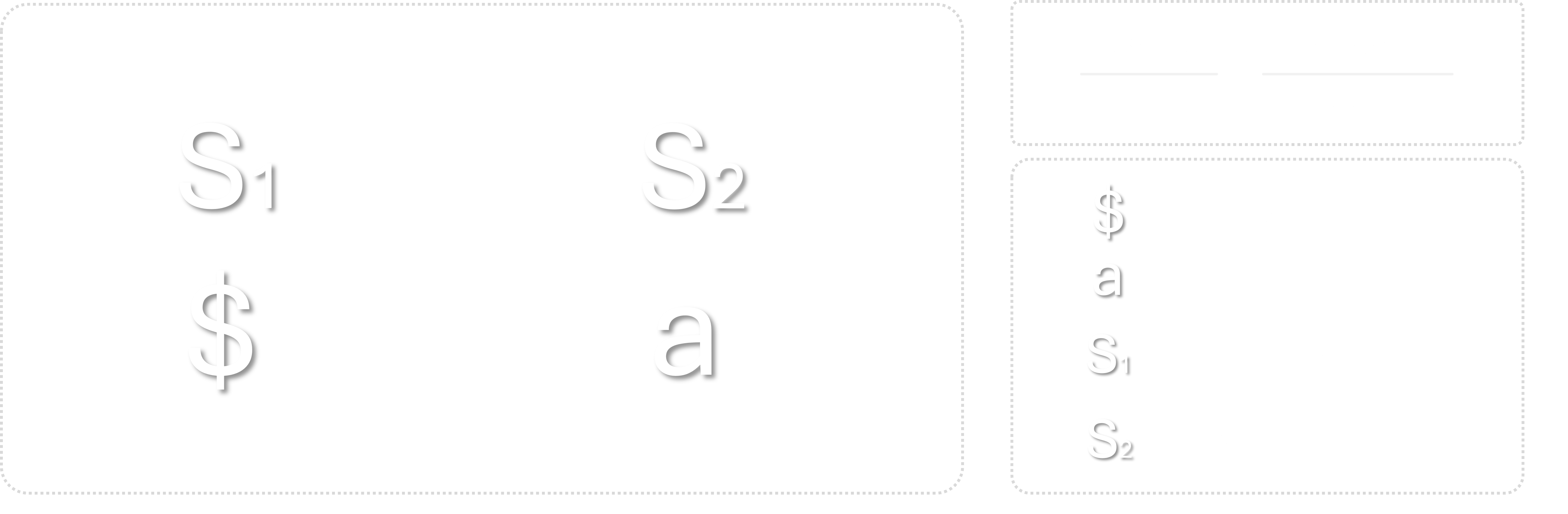
Read Agent - Other - Production - Truth as a fixed discourse vector: the stable route through which discourse is organized. Agent initiates, Other is addressed, Production is generated, and Truth remains the hidden driver. This step maps S1, S2, a, and $ into these positions to reveal the discourse pattern.
Discourse of artwork
Read this step as choosing the artwork's dominant speaking style: Signature, Archive, Scribble, or Errata. Judge it through two linked views: what leads in the discourse (style, knowledge, contradiction, or enigma), and which element takes structural lead (S1, S2, $, or a). Together, these cues identify the pattern that most strongly organizes the work.
Discourse Type
The dominant discourse structure of '489 Years' is Signature. The Agent position is occupied by the expressive, authorial act of reconstructing the DMZ as a virtual borderland animation (S1), establishing a commanding framework for the viewer’s experience. The Other is defined by the testimonial memory reconstruction (S2), asking the viewer to accept and inhabit the hybrid of personal history and mediated space that the work presents. This relation produces the enigmatic remainder of 'landmines and flowers' (a), the tangible motif calling for emotional and intellectual engagement. Underlying this expressive articulation is the split of 'Reality vs Fiction' ($), the fundamental truth that animates the tension and drives ongoing inquiry throughout the viewing process.
Evidence: Description, Review, Platform